SS4A Deadline Is Coming Fast: What Most DOTs and Cities Are Missing Right Now

The May 26th Safe Streets and Roads for All (SS4A) grant deadline is weeks away. Across the country, transportation agencies and city planners are scrambling to pull together applications — and many are leaving significant funding on the table not because their safety problems aren’t real, but because they can’t prove them.

That’s the gap no one is talking about.


The SS4A Funding Reality Right Now

Planning season is in full swing. Budget cycles are turning over. And agencies are feeling the pressure to submit SS4A applications that stand out in an increasingly competitive field.

But here’s what’s happening on the ground: most agencies are still relying on after-the-fact incident reports, manual field surveys, and historical crash data that tells them what went wrong — not what’s about to go wrong. They’re building safety action plans around the data they have, not the data they need.

The result? Applications that describe problems in general terms, propose initiatives that sound reasonable, but lack the specificity and evidence that reviewers are looking for. SS4A is competitive. Good ideas aren’t enough anymore.


What SS4A Actually Rewards (That Many Miss)

The U.S. DOT’s SS4A Notice of Funding Opportunity is explicit about what it prioritizes: data-driven safety action plans, measurable outcomes, and scalable, proactive solutions. Reviewers aren’t just checking whether your city has a safety problem (every city does). They’re asking whether you can demonstrate it, measure it, and solve it in a way that scales.

That means agencies that can show:

  • Where and why risk is concentrated
  • How they’ll know when their intervention is working
  • That their approach is replicable and sustainable

…will consistently outperform agencies submitting well-intentioned but evidence-light proposals.

The shift from reactive to proactive safety is exactly what SS4A was designed to fund. But you can’t make that case without visibility into what’s actually happening at your most dangerous locations — in real time.


The Biggest SS4A Gap: Visibility

You can’t fix what you can’t see.

That sounds obvious, but the implications are significant. Most agencies today lack continuous, real-time visibility into three of their highest-risk categories:

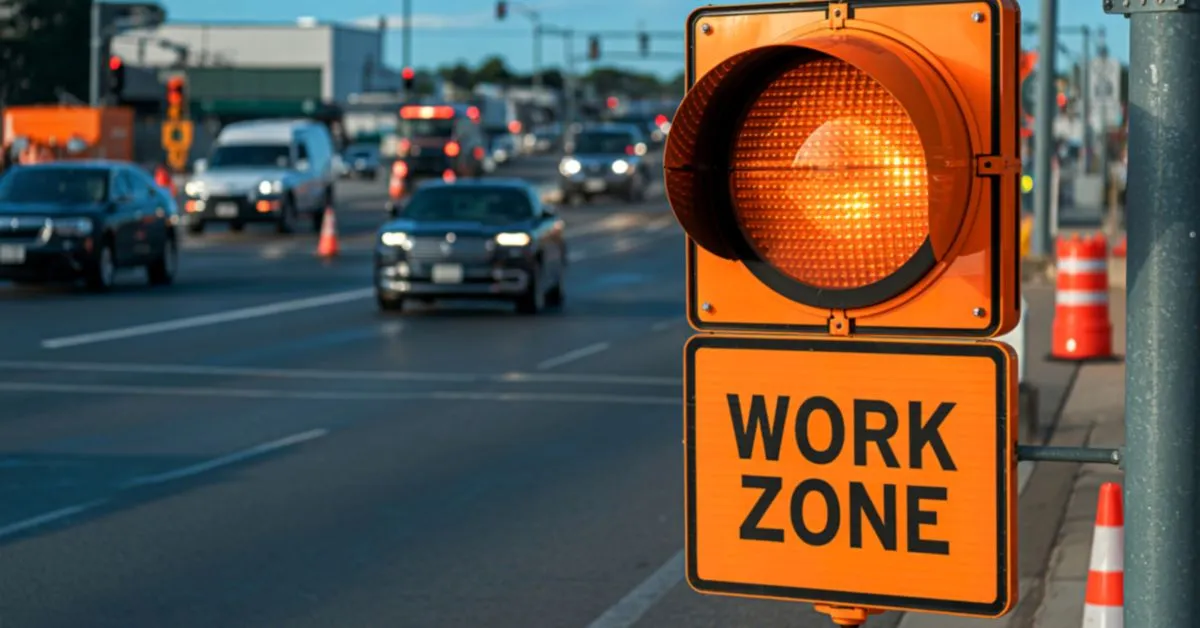
Work zones. Highway work zones claimed nearly 900 lives in 2023 alone, with thousands more injured. Despite more signage, more cones, and doubled fines for speeding, accidents are trending upward. The reason is simple: workers focused on their jobs can’t watch every vehicle approaching from every direction. Near-misses go unrecorded. Risk patterns never surface. And without that data, there’s no evidence base for a grant application or a safety improvement.

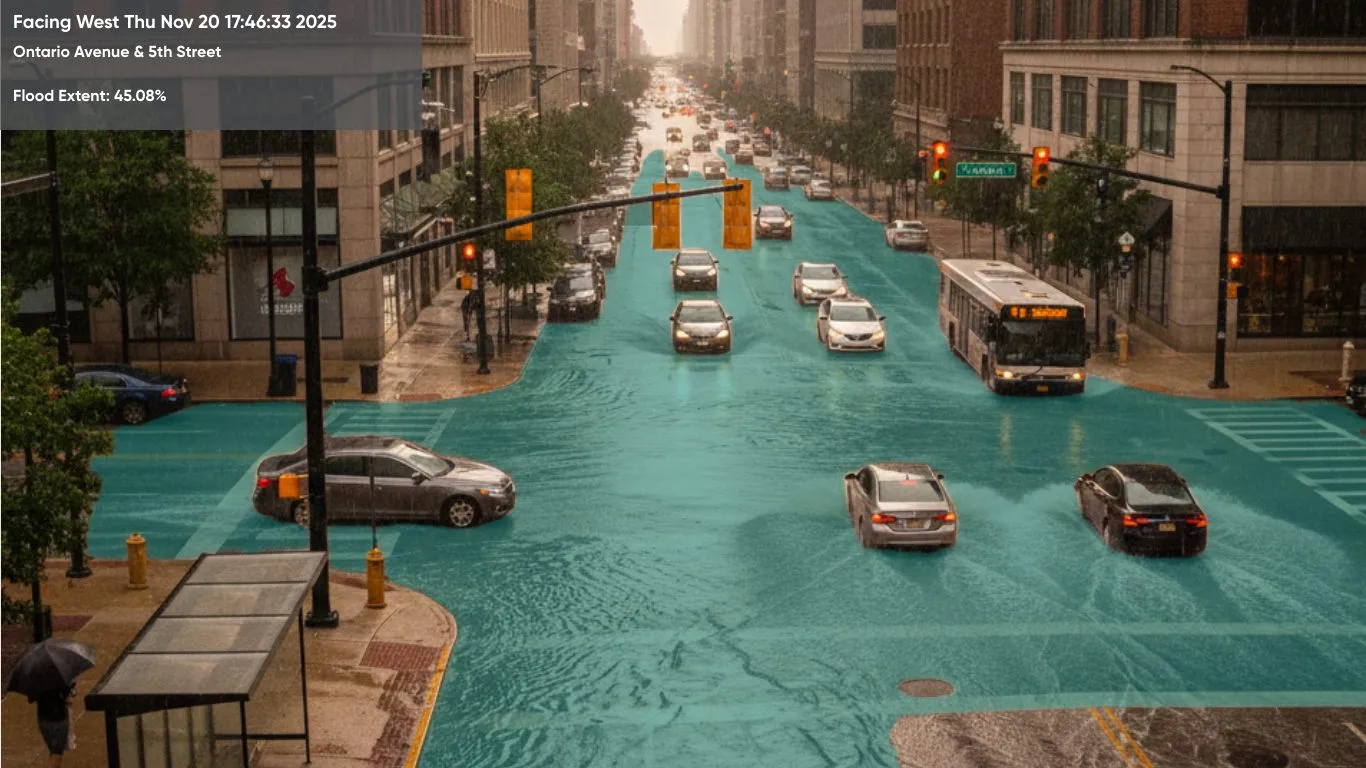
Flood-prone corridors. Fifty-eight percent of flood-related deaths occur in vehicles. Most of those tragedies happen at roadway locations that agencies already know are vulnerable — but don’t monitor continuously. When water rises at 2 a.m. on a Tuesday, the first notification often comes from a 911 call, not a detection system.

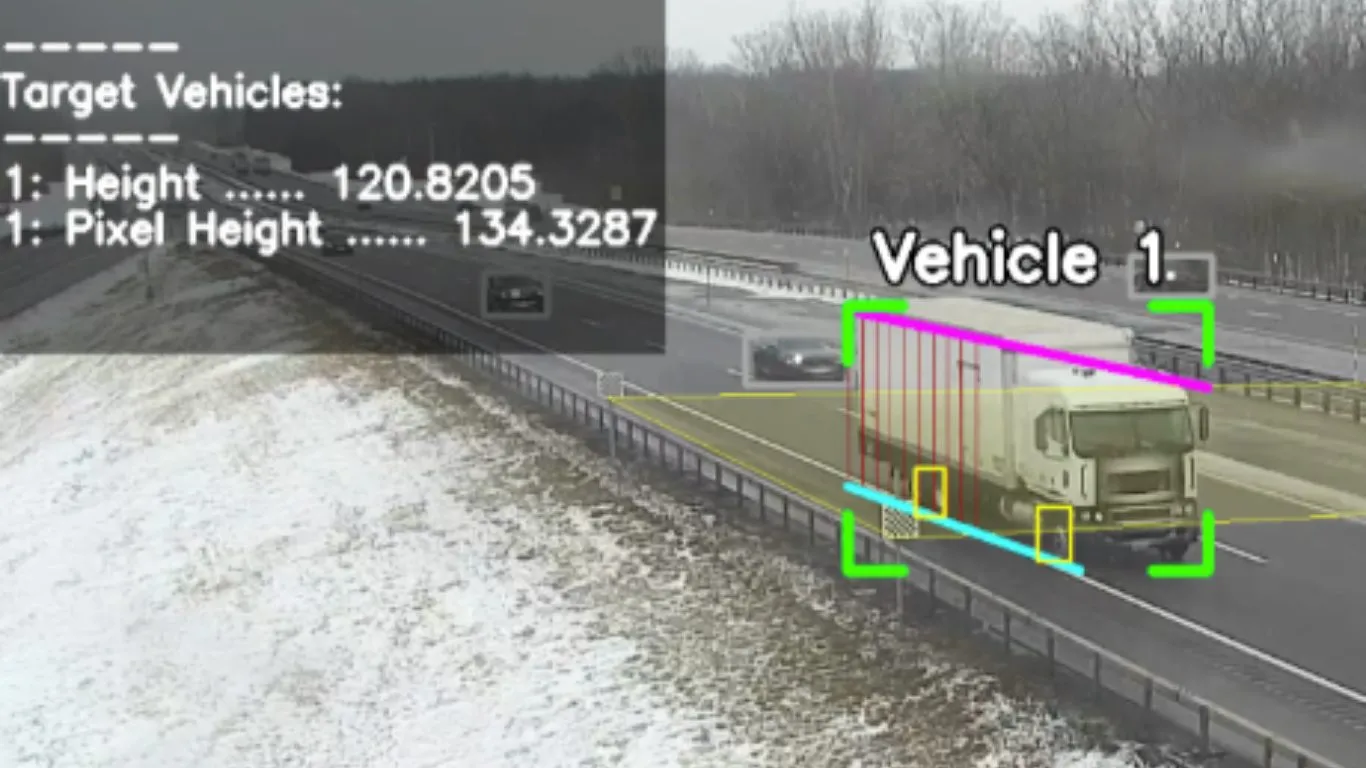
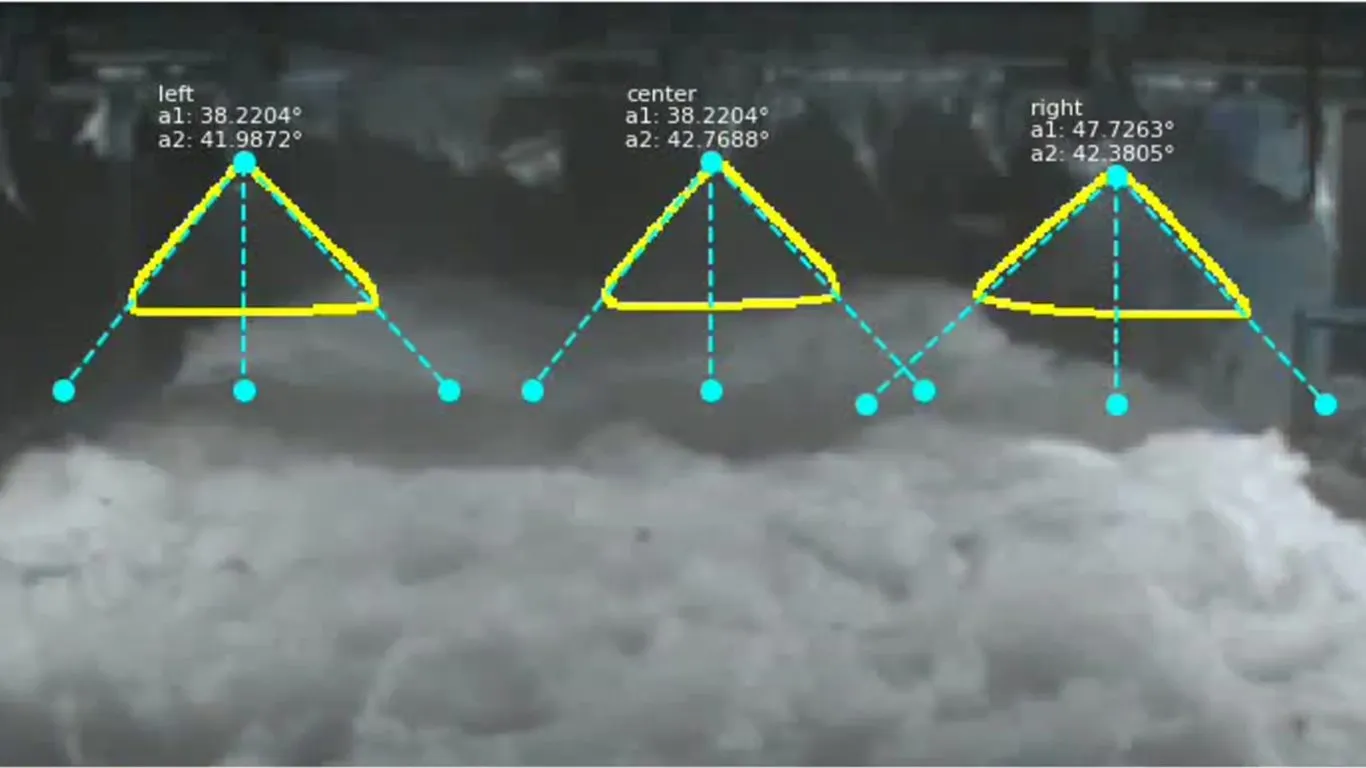
Bridge strike risks. The average state sees around 300 overheight vehicle strikes per year, carrying an estimated $150 million in annual costs. Bridges that have been struck before will likely be struck again. Yet the vast majority are monitored only after the fact.

These aren’t obscure edge cases. They’re predictable, recurring, costly events; exactly the kind SS4A funding is designed to address. The problem is that most agencies can’t quantify their exposure at these locations because they’ve never had continuous monitoring in place.


Where Vision AI Fits in the SS4A Application

This isn’t about replacing your team or ripping out your infrastructure. It’s about making what you already have work harder.

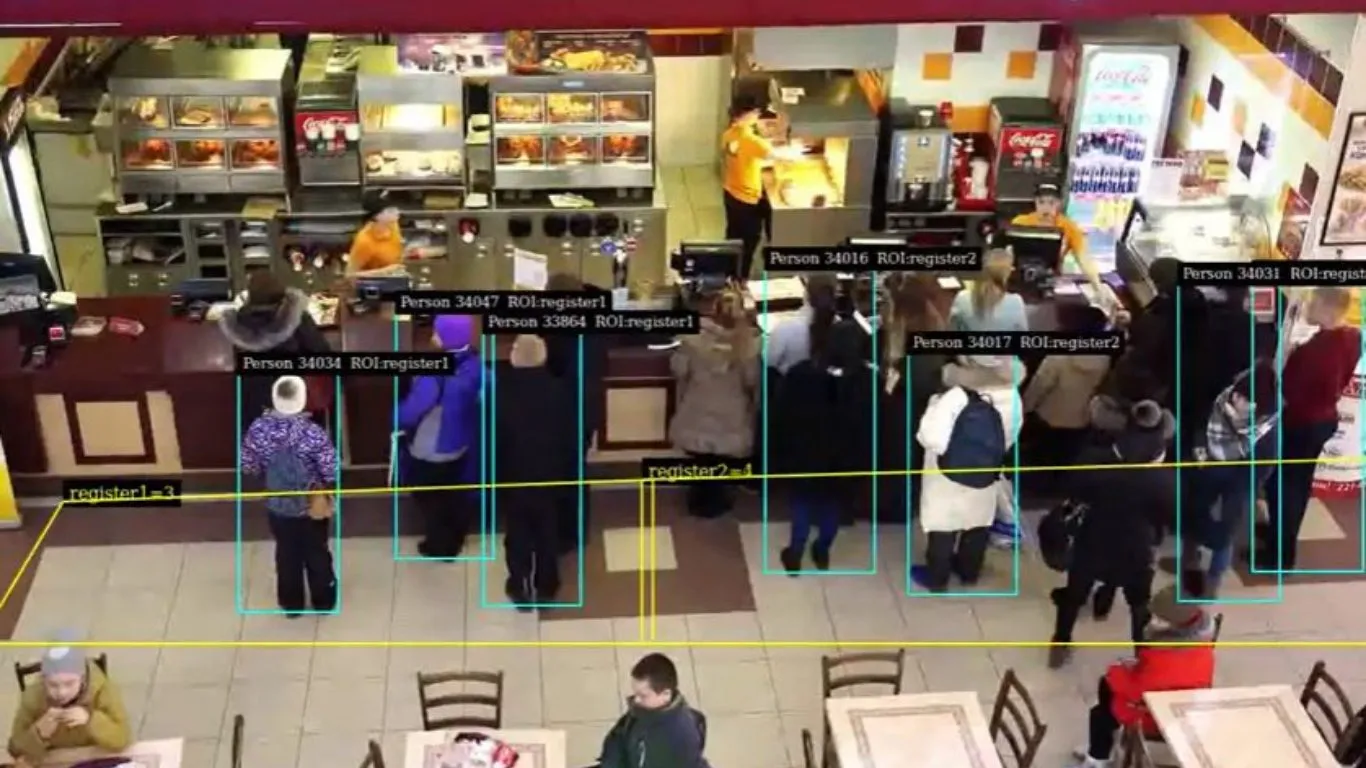
Solutions like ClearObject’s Traffic Pulse platform, which includes flood detection, vehicle overheight detection, and crowd counting capabilities, work directly with your existing CCTV and 511 traffic camera feeds. No new poles. No trenching. No major capital investment. The AI models layer on top of cameras you already own and generate the real-time, location-specific data that SS4A reviewers are looking for.

For work zone safety, Clear Work Zone takes the same approach. Truck-mounted edge AI analyzes video in real time, detects vehicle intrusions into active work zones, and triggers instant alerts to workers via wearable technology that emits haptic vibrations, lights, and audible alarms, without requiring network connectivity. Workers get a warning before a vehicle reaches them, not after.

What both solutions share is the ability to generate the evidence layer your SS4A application needs:

  • Real-time alerts that demonstrate proactive intervention capability
  • Historical risk data that quantifies exposure at specific locations
  • Measurable outcomes — reduced strikes, reduced intrusions, faster flood response — that satisfy SS4A’s accountability requirements

And because both platforms are delivered as managed services, agencies aren’t taking on hardware ownership risk. The contractual model is designed specifically for public-sector procurement realities.


What To Do Before the SS4A Application Deadline 

The deadline is approaching (May 26, 2026), but there’s still time to strengthen your application or build the data foundation that positions you for the next cycle. 

Here’s where to focus:

  1. Identify your top two or three risk areas. Work zones, flood corridors, and bridge strike locations are the highest-probability candidates. If you already know where your incidents cluster, start there.
  2. Gather whatever baseline data you have. Even incomplete historical data is useful. Incident logs, maintenance records, and near-miss reports (however informal) tell a story. The goal is to establish a baseline that you can measure improvement against.
  3. Prioritize solutions that produce measurable outcomes. SS4A reviewers will ask how you’ll know if your investment worked. Solutions that generate continuous, structured data (not one-time assessments) give you the answer.
  4. Think about scalability. A solution that works at one bridge or one work zone corridor is good. A solution that can be expanded across your network as funding grows is what reviewers want to see.

The agencies that win SS4A funding aren’t necessarily the ones with the worst safety problems. They’re the ones who can clearly demonstrate those problems, propose measurable, scalable interventions, and show they’ve done the homework to connect funding to outcomes.

Ready to Put Together a Stronger Case for Your SS4A Application?

Whether you’re finalizing an application or starting to think about what data you need to compete in future cycles, we’d like to help.

Let’s walk through your top safety risks and identify where SS4A funding can be applied most effectively. Our team works directly with DOTs and city transportation agencies to map existing camera infrastructure to the highest-value use cases ( flood detection, overheight vehicle monitoring, work zone safety) and more.

Book a Discovery Workshop